

Curriculum Overviews
Under each subject you will find a curriculum statement, which explains our vision for the subject, information on the implementation, and how the impact is measured.
Subject overviews outline the key content of each unit, from EYFS through to Y6, and are supported by progression documents, which show how skills and knowledge develop across the year groups.
Art and Design
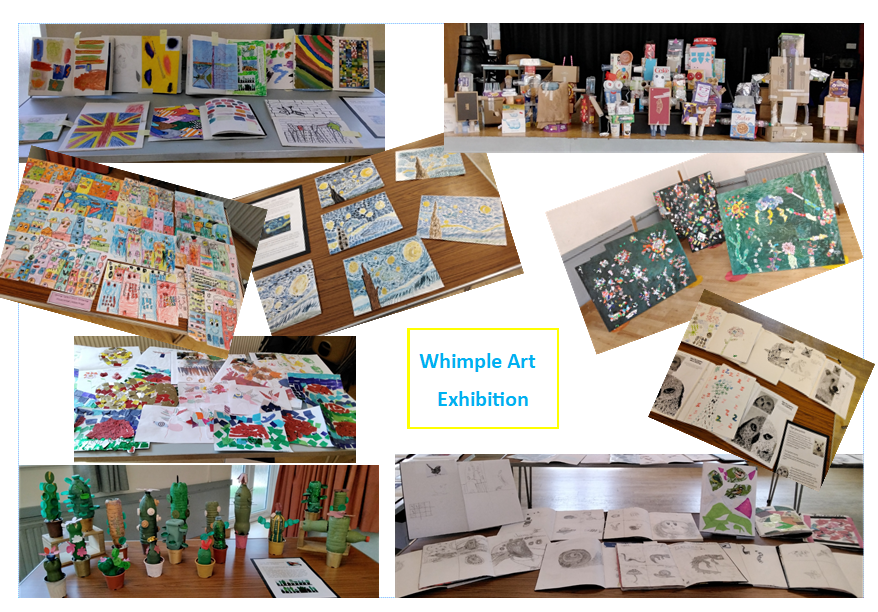
“Every child is an artist. The problem is how to
remain an artist once he grows up.” Pablo Picasso
The vision for our Art and Design curriculum is to encourage and enable our children to develop their creativity and skills by exploring a range of media and materials over time. As they progress through the school, children learn the skills of drawing, painting, collage, sculpture, textiles, printmaking, photography and graphic design. They are given opportunities to explore and evaluate their ideas. Children are introduced to a range of different artists and will have experiences that broaden their knowledge and understanding about the differences and similarities between these artists, alongside making links to their own work.
Art and Design Curriculum Statement
Art Overview Cycle B 2025-2026 Art Overview Cycle A 2024-2025
Computing
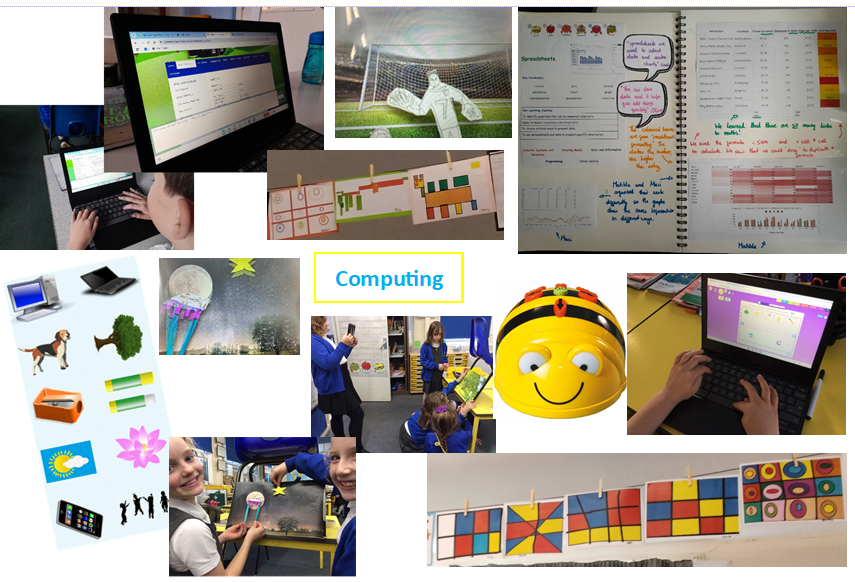
"What a computer is to me
is the most remarkable tool that we have ever come up with. It’s the equivalent of a bicycle for our minds.” Steve Jobs
Technology is everywhere and will play a pivotal part in children’s lives. Therefore, we want to model and educate our children on how to use technology positively, responsibly and safely. We want our children to be creators, not consumers, and our broad curriculum encompassing computer science, information technology and digital literacy reflects this. We want our children to understand that there is always a choice with using technology and as a school we utilise technology (especially social media) to model positive use. We recognise that the best prevention for a lot of issues we currently see with technology/social media is through education. Building our knowledge in this subject will allow children to effectively demonstrate their learning through creative use of technology. We recognise that technology can allow children to share their learning in creative ways. We also understand the accessibility opportunities technology can provide for our children. Our knowledge-engaged curriculum has to be balanced with the opportunity for children to apply their knowledge creatively which will in turn help our children become skilful computer scientists. We encourage staff to try and embed computing across the whole curriculum to make learning creative and accessible. We want our children to be fluent with a range of tools to best express their understanding so that children have the independence and confidence to choose the best tool to fulfil the task, effectively preparing children for life in the twenty-first century.
Design and Technology
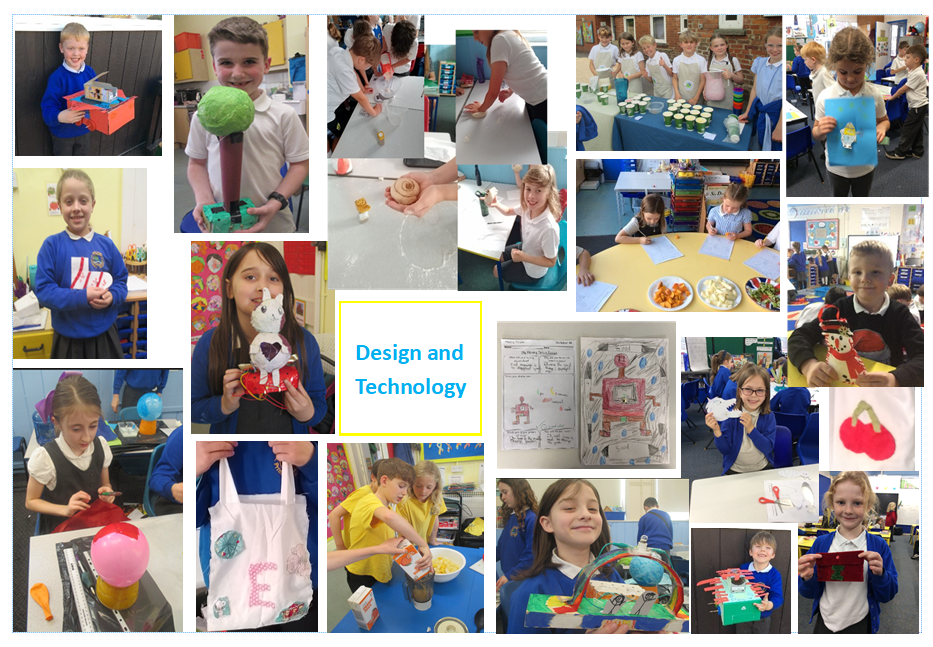
“Enjoy failure and learn from it. You can never learn from success.” James Dyson
We believe that Design Technology (DT) encourages inquisition and imagination, and promotes an engagement of children who may not ordinarily enjoy practical, hands-on activities. Design Technology teaches children to be aware of the world around them, and to make rational, economic and ecological based decisions, and to understand how their decisions affect people and the environment. In lessons, pupils explore different questions that life presents them, and develop skills and attitudes to tackle, investigate and find answers to these questions. Pupils will also work as part of a team to solve problems, and take part in class and group discussion, working through different roles, and taking on board constructive criticism. Children look at different situations around the world and consider ways in which Design and Technology could provide positive contributions and improve the quality of life.
Design and Technology Curriculum Statement
English and Phonics
The Exe Valley Federation believes that English is at the heart of all children’s learning. Reading, writing, speaking and listening enable children to communicate purposely and creatively. English is central to children’s emotional, social and intellectual development and is crucial in underpinning life skills and all aspects of the curriculum. We believe that reading is a life skill that every child should be entitled to. We want to inspire children through books, promoting a love of reading and empowering our children to become lifelong readers. We believe that teaching a high-quality English curriculum will enable our children to communicate effectively throughout their lives, accessing information and sustaining personal and professional lives with fulfilment.
"The English language is a work in progress, have fun with it.”
Jonathan Culver
Geography
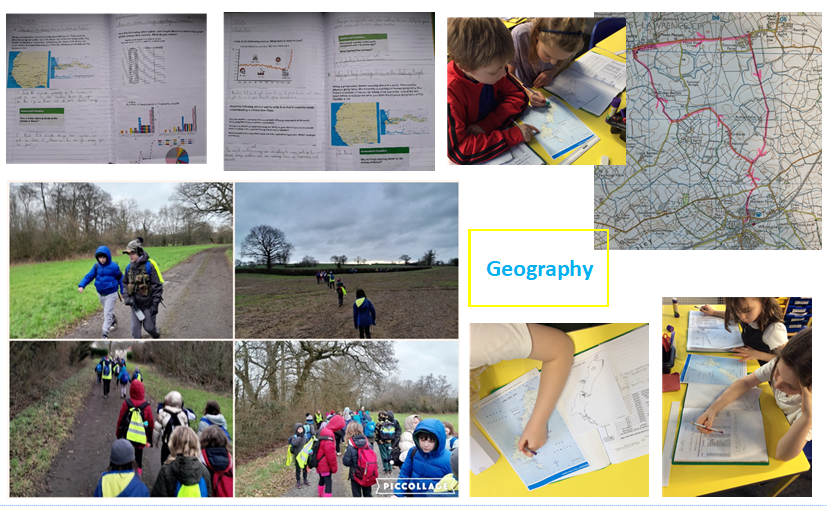
‘The study of Geography is about more than memorising places on a map. It’s about understanding the complexity of our world, appreciating the diversity of cultures that exist across continents. And in the end, it’s about using all that knowledge to help bridge divides and bring people together.’- Barack Obama
We aim to inspire a curiosity and fascination about the world and its people that will remain with our children for the rest of their lives, both in their immediate surroundings and when further afield. Our purpose is to instil a desire to investigate human and physical characteristics of different places, both local and afar, through purposeful research and careful questioning. To be well-rounded citizens, we believe children need to understand the differences between places and their cultures, along with being able to recognise how these change over time. Children will acquire the necessary geographical skills to help them understand, present, analyse and communicate a range of information either collaboratively or as individuals. We want children to understand their distinct rural location as well as the diversity of the countries of the UK and those in the wider world. Studying Geography will help them to make sense of the world around them and pique their curiosity in places and people – engaging them with the real world and spurring them into action.
Geography Curriculum Statement
History
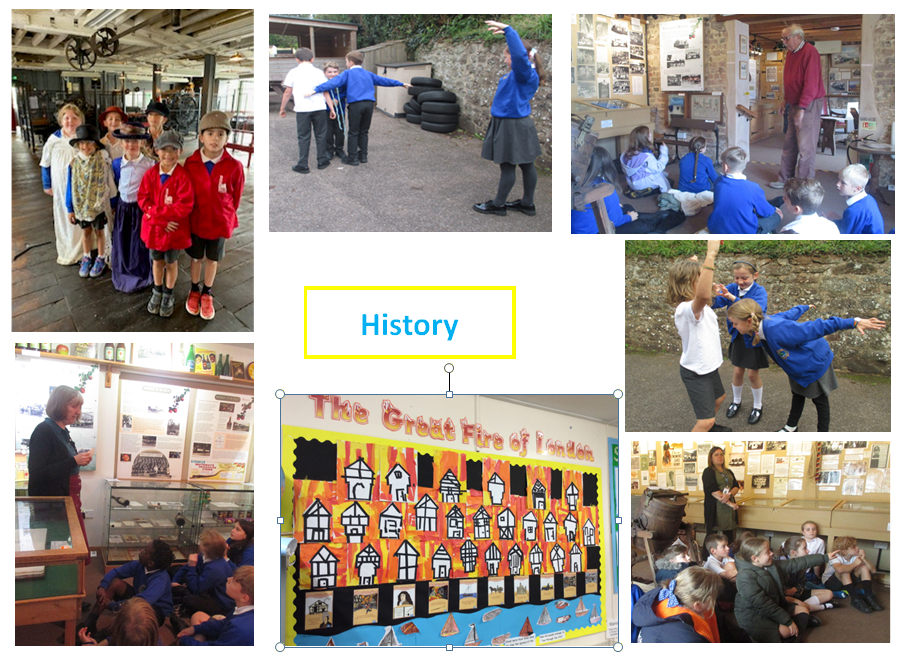
“A people without the knowledge of their past history, origin and culture is like a tree without roots.” – Marcus Garvey
Our history curriculum aims to inspire our pupils’ curiosity to know more about the past and how it has shaped the present – and will shape the future. History helps pupils to understand the process of change, the diversity of societies as well as their own identity and the challenges of their time. We hope that their knowledge and historical skills will help them make more informed life choices and aspire to be open-minded citizens, making a valuable contribution to society: asking perceptive questions, thinking critically, weighing evidence and developing perspective. Our local area in the Exe Valley has a rich and diverse history and we believe this should drive our curriculum, along with familial stories so that children develop their understanding of the community in which they are rooted and the diversity of their own country, the UK and the wider world.
Languages
"A liberation from insularity, providing an opening to other cultures.”
National Curriculum
Our vision for Languages is that the learning of a language helps to equip pupils with the knowledge and cultural capital they need to succeed in life. It encourages children to appreciate and celebrate difference and provides the foundation for learning further languages. It should enable pupils to study and work in other countries.
Mathematics
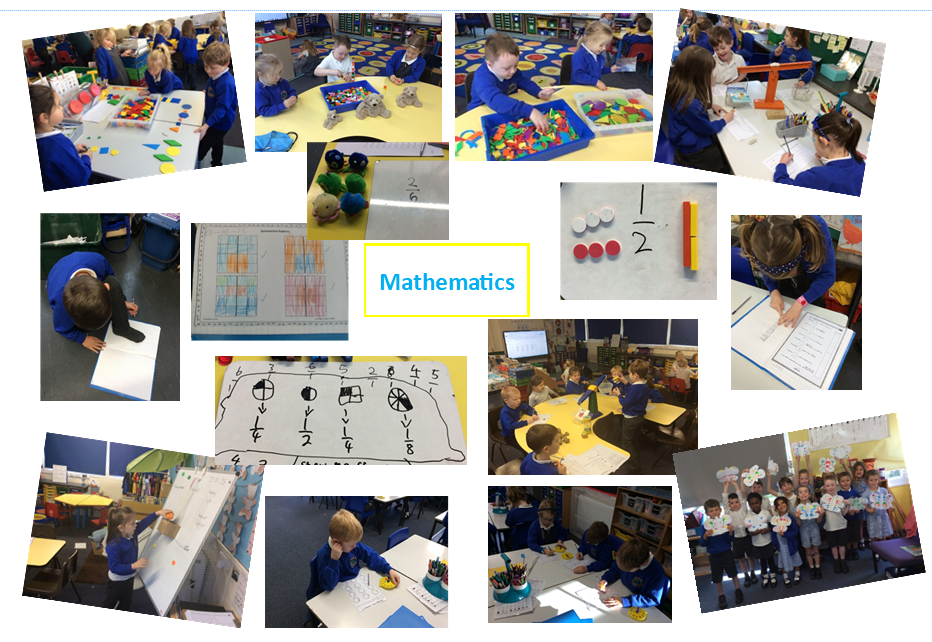
“Mathematics reveals its secret only to those who approach it with love, for its own beauty.” Archimedes
At Whimple Primary School, we are committed to ensuring that children are able to recognise the importance of Maths not only in school, but, its application across a variety of disciplines in the wider world. We want all pupils to experience the beauty, power and enjoyment of mathematics and develop a sense of curiosity about the subject with a clear understanding.
We intend for all children to:
- Become fluent in the fundamentals of mathematics so that they develop conceptual understanding and the ability to recall and apply knowledge rapidly and accurately.
- Be able to use Reasoning skills efficiently to follow a line of enquiry and develop and present a justification or proof using mathematical language
- Apply mathematical Problem Solving skills effectively to solve a variety of problems with increasing sophistication, including in unfamiliar contexts and to model real-life scenarios.
- Have an appreciation of number and number operations, which enables mental calculations and written procedures to be performed efficiently, fluently and accurately to be successful in mathematics.
Maths Intent Statement Principles For Teaching Maths
Reception Maths Overview Year 1 Maths Overview Year 2 Maths Overview
Music
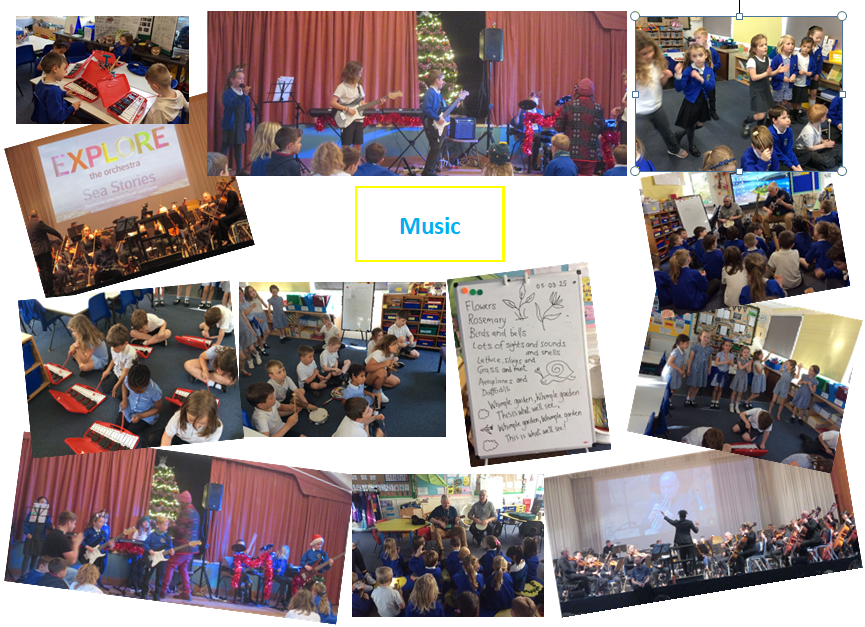
“There is music in every child.
The teacher's job is to find it and nurture it.” - Frances Clark
The vision for our Music curriculum is for it to be an engaging, enjoyable and progressive learning experience which inspires creativity and self-expression. We aim to foster a love of music in our pupils by exposing them to diverse musical experiences and igniting a passion for music. Listening and responding to different musical styles and finding their voices as singers, performers and composers enables our pupils to become confident, reflective musicians.
Phonics and Reading
Phonics and reading 
Our chosen systematic, synthetic phonics programme is Little Wandle.
Children are taught phonics daily in their year groups.
There are a number of documents below which can support your understanding of what is taught.
Little Wandle - Reception Programme Overview
Autumn Term 1 Phase 2 Pronunciation Guide Autumn Term 2 Phase 2 Pronunciation Guide
Spring Term Phase 3 Sounds Pronunciation
Little Wandle - Year 1 Programme Overview Phase 5 Pronunciation Guide
Supporting your child with reading
Although your child will be taught to read at school, you can have a huge impact on their reading journey by continuing their practice at home.
There are two types of reading book that your child may bring home:
A reading practice book. This will be at the correct phonic stage for your child. They should be able to read this fluently and independently.
A sharing book. Your child will not be able to read this on their own. This book is for you both to read and enjoy together.
Reading practice book
This book has been carefully matched to your child’s current reading level. If your child is reading it with little help, please don’t worry that it’s too easy – your child needs to develop fluency and confidence in reading.
Listen to them read the book. Remember to give them lots of praise – celebrate their success! If they can’t read a word, read it to them. After they have finished, talk about the book together.
Sharing book
In order to encourage your child to become a lifelong reader, it is important that they learn to read for pleasure. The sharing book is a book they have chosen for you to enjoy together.
Please remember that you shouldn’t expect your child to read this alone. Read it to or with them. Discuss the pictures, enjoy the story, predict what might happen next, use different voices for the characters, explore the facts in a non-fiction book. The main thing is that you have fun!
What some more support, use the link below to find more information about how to support your child with phonics at home (including some great short videos), how we teach, explaining the books coming home and some nursery rhymes.
Little Wandle Resources for Parents
Physical Education
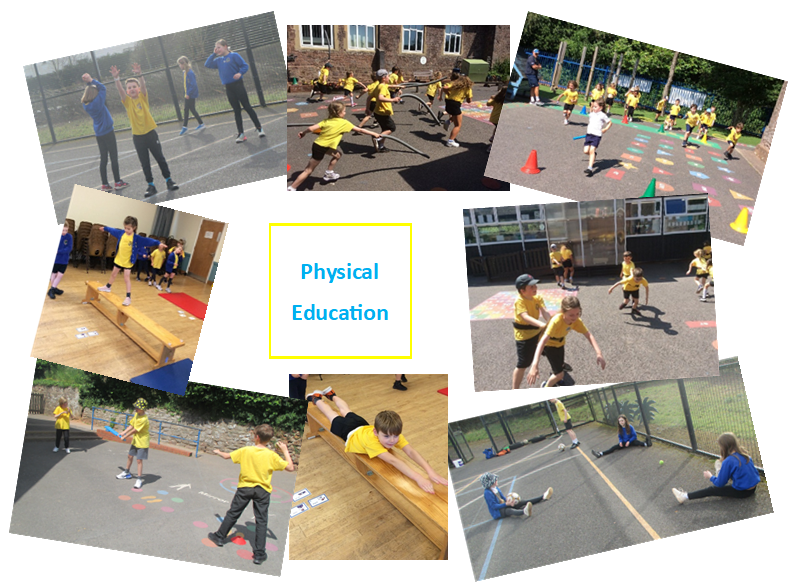
“I have always believed that exercise is the key not only to physical health but to peace of mind.” Nelson Mandela
Our vision for PE is for all children to experience excellent physical education, school sport and physical activity that will lead to life-long participation. Our aim is to provide a high quality, inclusive physical education curriculum which inspires all pupils to succeed and excel. We focus on developing pupils’ physical literacy required to tackle a range of activities and encourage life-long participation in fitness. We target opportunities for pupils to become physically confident in a way which supports their health and fitness as well as embed values and respect.
Personal, Social, Health, and Economic Education (P.S.H.E)
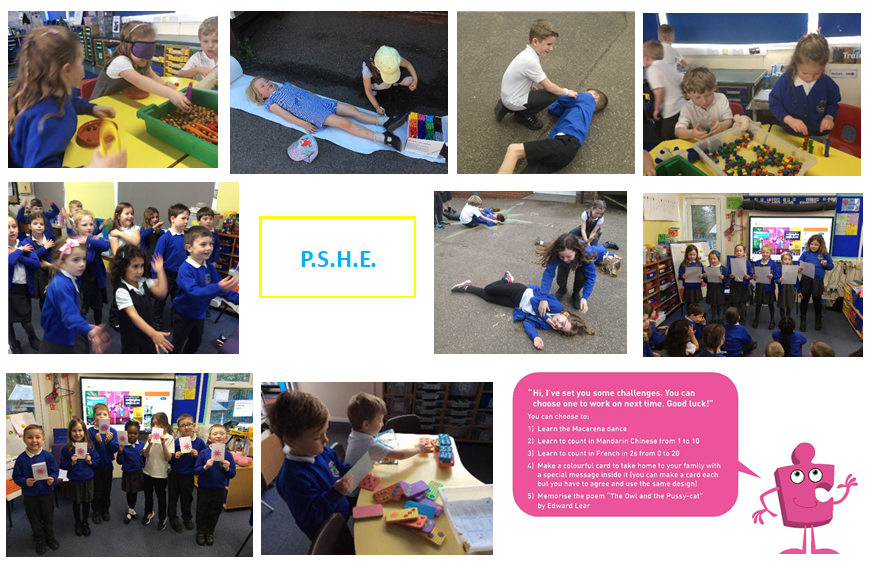
“PSHE education gives pupils the knowledge, skills, and attributes they need to keep themselves healthy and safe and to prepare them for life and work in modern Britain." - PSHE Association
Our vision for PSHE (which incorporates the National Curriculum non-statutory guidance for Citizenship) is to allow our children to become responsible and informed global citizens. We want our children to develop as great communicators, who are confident to share their views and opinions. We aspire to ensure PSHE is at the core of everything we do. By doing so it allows our children to blossom into confident, independent, reflective and responsible members of the ever changing society around them.
PSHE Overview Changing Me Jigsaw Unit Overview
Jigsaw Grids Elm Class Jigsaw Grids Ash Class
Jigsaw Grids Oak Class Jigsaw Grids Beech Class Jigsaw Grids Willow Class
Religious Education
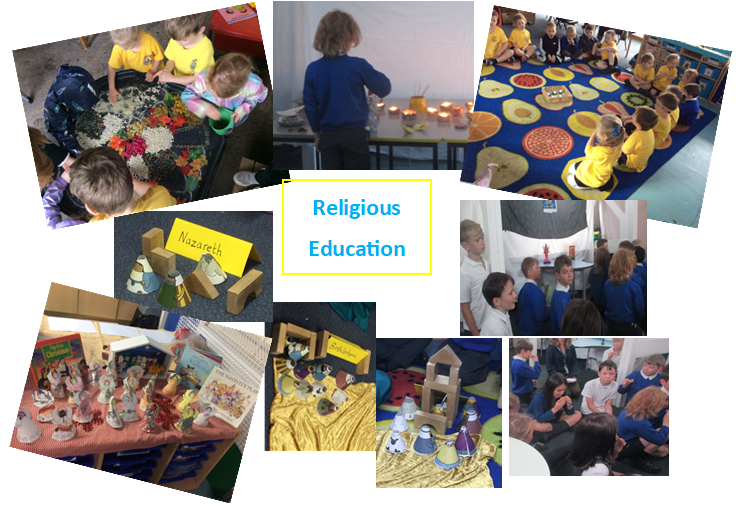
“Every time you break down that narrative of otherness, the narrative of togetherness grows.” Brendan Cox
Our vision for Religious Education is to inspire a curiosity about people through exploring world views held so that pupils can gain authentic knowledge, understanding and the skills needed to handle questions raised by religion and belief, reflecting on their own ideas and ways of living. R.E. has an important place in the curriculum: it provides a safe space for young people to develop their understanding of people, cultures, religious and non-religious world views. Children will gain a coherent understanding, thus preparing them for their journey through education and life in twenty-first century Britain. R.E. will contribute to children’s personal and academic development. As well as gaining knowledge and understanding of religions and beliefs, the children will develop their own understanding of the world and how to live, in the light of their learning. R.E. will make a significant contribution to children’s spiritual, moral, social and cultural development as well as providing opportunities to explore British values.
Science
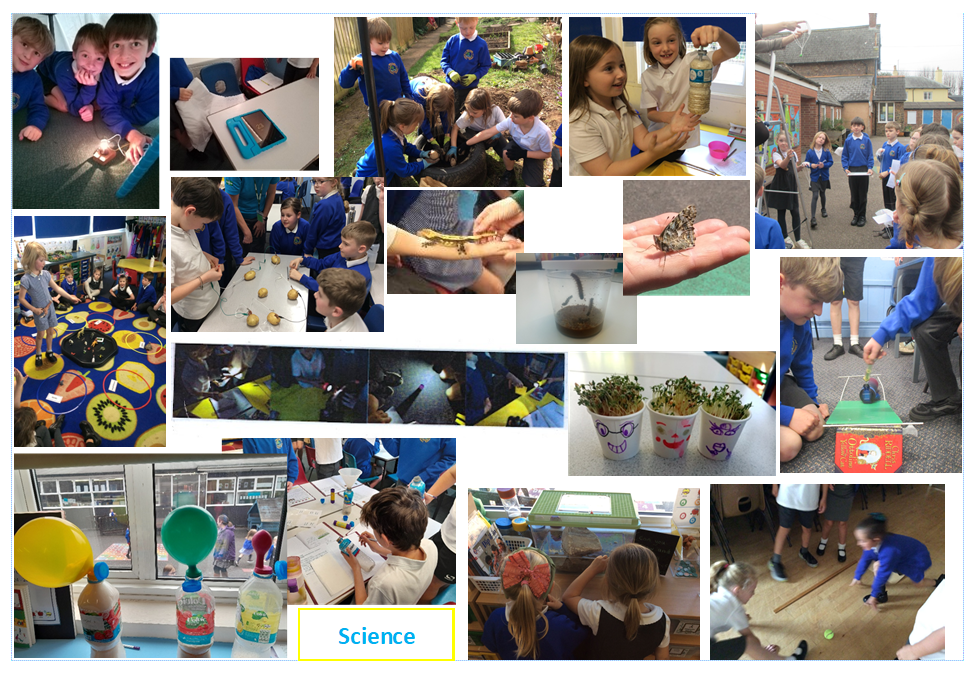
“Somewhere, something incredible is waiting to be known.”
Carl Sagan, astronomer
Our vision for Science is to enable children to confidently explore and discover the world around them, so that they have a deeper understanding of the world we live in. We realise that young children are naturally curious and passionate about learning; we provide a stimulating science curriculum that nurtures children’s natural curiosity and their on-going intellectual development. Through a hands-on, inquiry-based curriculum, children will experience the joy of having wonderful ideas, exploration and investigation – that is, the joy of finding out. Our aim is that these stimulating and challenging experiences help children secure and extend their scientific knowledge and vocabulary. We believe that these opportunities will ensure that our children are confident, life-long learners who will explore the world around them.